U1/206 Adelaide Terrace, East Perth WA 6004, Australia
230 Railway Parade, Cannington WA 6107
 RTO Advisory Perth | RTO Consulting ServicesRTO Advisory Perth | RTO Consulting Services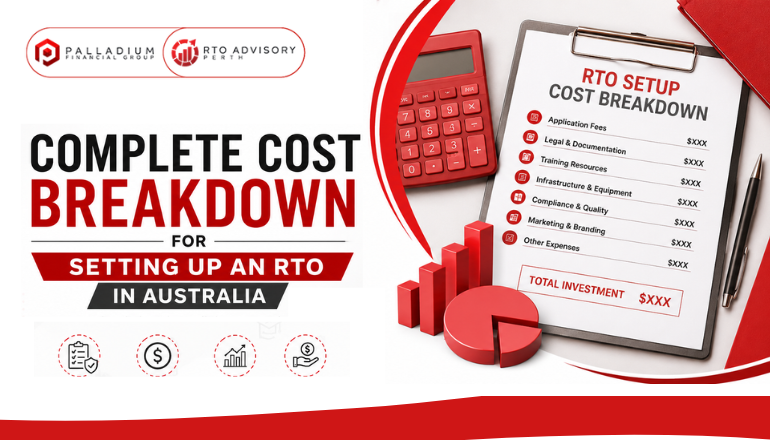
Starting a Registered Training Organisation (RTO) in Australia sounds exciting and it can absolutely become a profitable long-term business. With more students looking for practical, job-focused education, the vocational training industry continues to grow every year.
But here’s the reality many first-time RTO owners discover late: setting up an RTO is far more expensive and complex than it initially appears.
A lot of people think the biggest expense is simply ASQA registration. In practice, registration is only one part of the journey. Learning resources, compliance systems, trainers, audits, software, marketing, and ongoing operational costs usually take up a much larger portion of the budget.
If you are seriously researching the cost to start an RTO in Australia, this guide will help you understand where the money actually goes, what hidden expenses to expect, and how to avoid some of the most common mistakes new providers make.
A Registered Training Organisation is a training provider approved to deliver nationally recognised qualifications and vocational education across Australia.
RTOs can offer:
Because students receive nationally recognised qualifications, the industry is heavily regulated. Providers must meet strict compliance standards before they can begin operating.
This is where many aspiring owners underestimate the workload involved.
There is no exact number because every RTO operates differently.
The total setup cost depends on things like:
A small niche RTO offering one or two qualifications may operate on a relatively moderate startup budget. On the other hand, larger providers with multiple training programs and physical campuses may require substantial upfront investment.
Generally, the biggest expenses fall into these categories:
| Cost Area | Expense Level |
| Registration & Audits | Moderate |
| Learning Resources | High |
| Staffing | High |
| Compliance Systems | High |
| Software & Technology | Moderate |
| Marketing | Moderate |
| Facilities & Equipment | Moderate to High |
One important thing many people overlook is ongoing operational costs. Getting approved is only the beginning.
Before applying for registration, you first need to establish the business properly.
Typical startup costs include:
Some owners try to minimise expenses during this stage, but poor setup decisions often create bigger issues later.
Choosing the right structure from the beginning makes accounting, compliance, and future growth much easier.
The Australian Skills Quality Authority (ASQA) regulates most RTOs in Australia. The application process is detailed and often more time-consuming than people expect.
Registration expenses can include:
Your final cost depends largely on the number of qualifications you want to deliver.
A lot of new providers spend months preparing their applications because ASQA reviews everything carefully. Missing documents or weak compliance systems can slow the process significantly.
Understanding ASQA Rules for RTO before applying can help reduce delays and prevent costly mistakes during the approval stage.
This is usually one of the largest startup investments. Every qualification requires properly developed training and assessment materials that align with national standards.
These may include:
The more qualifications you offer, the more resources you will need.
Some providers purchase ready-made resources, while others develop customised training materials internally. Trying to save money by purchasing very cheap resources often becomes a problem later during audits or validation reviews. Poor-quality materials can damage both compliance and student satisfaction.
Running an RTO is heavily compliance-focused.
You need systems covering:
For many first-time owners, this becomes one of the most overwhelming parts of the setup process.
This is why many startup providers use RTO Consulting Services to help build compliant systems and prepare for ASQA audits properly. Experienced consultants can often spot issues early before they become major problems.
Modern RTOs rely heavily on digital systems.
You will likely need:
| System | Purpose |
| Student Management System | Student administration |
| Learning Management System | Online training delivery |
| CRM Software | Student communication and lead management |
| Reporting Software | Compliance and AVETMISS reporting |
| Cloud Storage | Secure document and record management |
Some software platforms look affordable at first but become expensive as student numbers grow.It’s usually smarter to choose scalable systems from the beginning rather than constantly changing software later.
Staffing quickly becomes one of the largest ongoing expenses.
Most RTOs require:
Trainer salaries vary depending on:
Additional staffing costs include:
One common mistake is hiring too many employees before student enrolments become stable. Many successful RTOs start lean and grow gradually.
ASQA expects providers to demonstrate financial sustainability before registration approval.You must show your business can:
This often involves:
Many providers review the Financial Viability Risk Assessment Tool during the planning stage to better understand financial expectations and business risks. Weak financial planning causes serious problems for many startup RTOs within their first few years.
Your delivery model heavily affects infrastructure costs.
Face-to-face training providers may need:
Industries like construction, healthcare, hospitality, and automotive training generally involve much higher equipment costs. Online providers can reduce some physical expenses but still require strong systems and support staff.
Even highly compliant RTOs struggle if they cannot attract students.
Marketing expenses may include:
The education sector is competitive, especially in popular training areas.
In 2026, strong online visibility is one of the biggest drivers of student growth.
There are always expenses that new owners fail to budget for.
Common hidden costs include:
Regulatory changes can also increase operational costs unexpectedly. Having financial backup reserves is extremely important.
Some investors prefer buying an existing rto for sale instead of building a new organisation from the ground up.
This can offer advantages like:
However, buying an RTO without proper investigation can become risky.
Professional rto due diligence services help identify compliance risks, financial problems, operational weaknesses, and hidden liabilities before purchase. Not every operating RTO is financially healthy or fully compliant.
A lot of RTO owners focus heavily on compliance but overlook financial management.
Working with an experienced RTO Accountant Perth can help with:
Good financial management is often what separates sustainable RTOs from those that struggle after registration.
You can reduce costs strategically without cutting compliance corners.
Some smart approaches include:
Trying to take shortcuts with compliance usually creates bigger expenses later.
Understanding the real cost to start an RTO in Australia is essential before entering the vocational education industry. While the sector offers excellent long-term opportunities, setting up a compliant training organisation requires serious planning, realistic budgeting, and ongoing operational commitment.
The most successful RTOs are usually not the ones that spend the least they are the ones that build strong systems early, manage finances properly, and focus on long-term sustainability instead of quick growth.
If you approach the process strategically and invest in the right foundations from the beginning, building a successful RTO in Australia can become a highly rewarding business opportunity.